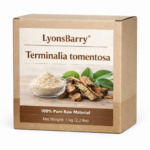
Description
Technical & Manufacturing Relevance:
Traditionally used as a cardio-supportive, astringent, and wound-healing herb in Ayurveda.
Bark extracts are commonly applied in formulations for cardiovascular wellness, metabolic balance, anti-inflammatory support, and skin healing.
Exhibits antimicrobial and antioxidant properties, making it suitable for both internal and topical formulations.
Suitable for aqueous and hydroalcoholic extraction; standardized extracts ensure consistent tannin and polyphenol profiles required for export-grade nutraceuticals.
Compatible with GMP-compliant granulation, encapsulation, tableting, spray drying, and liquid-extract manufacturing.
Applicable Dosage Forms:
Tablets & capsules
Powders & granules
Liquid extracts, decoctions & drops
Creams, ointments & topical pastes
Classical Ayurvedic and polyherbal formulations
Pharmacopoeial / Quality Notes:
Referenced in the Ayurvedic Pharmacopoeia of India (API) and classical Ayurvedic texts
Export-grade material aligned with international nutraceutical quality standards
Typical quality parameters:
Assay: total tannins / polyphenols (as specified)
Loss on drying: ≤10–12%
Microbial limits, aflatoxins, heavy metals, and pesticide residues within international limits
Botanical authentication and TLC/HPLC fingerprinting mandatory for global regulatory acceptance.
Animal-Origin Declaration:
100% plant origin. No animal-derived ingredients. Suitable for vegetarian and vegan formulations.
Manufacturing Support:
Available for contract manufacturing, third-party manufacturing, private labeling, and white labeling of Ayurvedic, herbal, nutraceutical, cardiovascular-support, dermatological, and wellness healthcare products.
Complete technical and regulatory documentation provided, including COA, MSDS, TDS, stability data, non-GMO statement, allergen declaration, marker-compound analysis, and export-compliant regulatory documents, enabling smooth resale and distribution across global markets.