Description
Technical & Manufacturing Relevance:
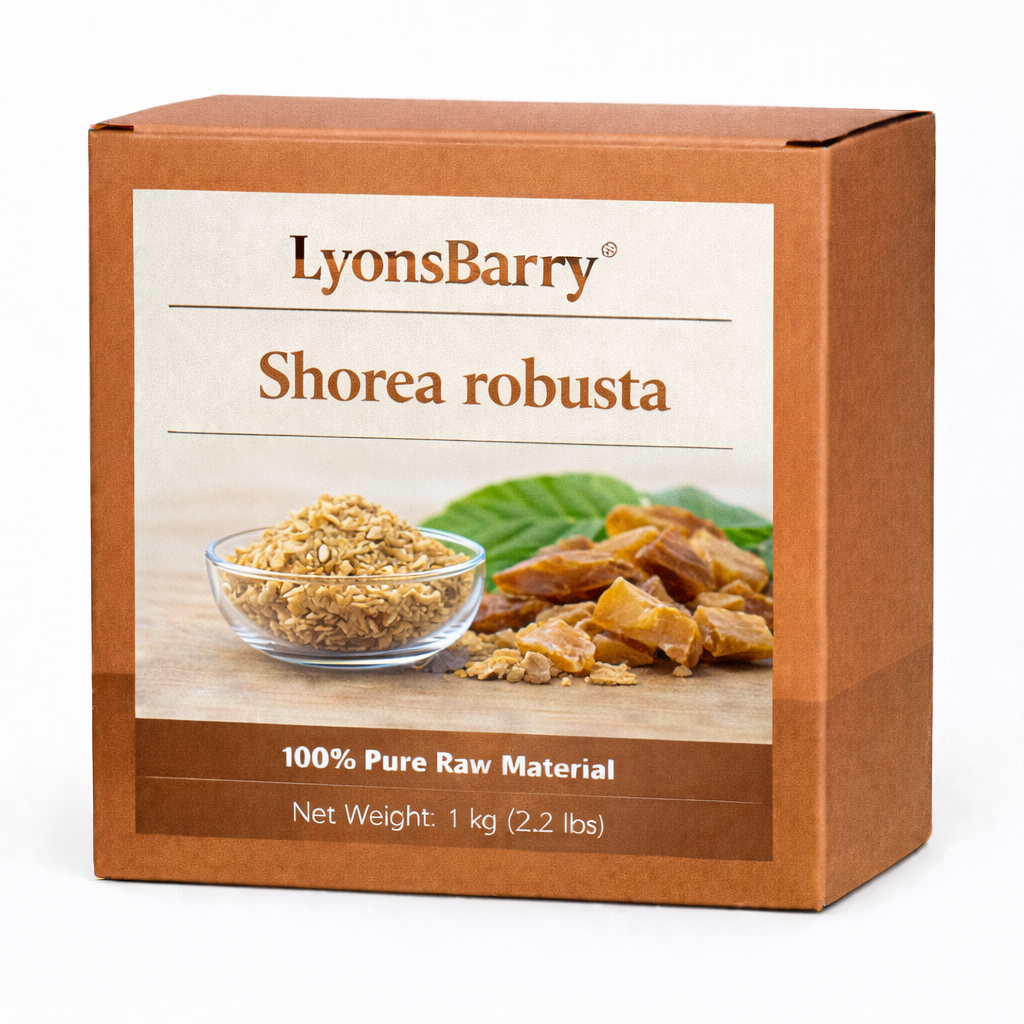
Sal resin (dammar) used as a binding, sealing, and stabilizing agent in traditional formulations and select pharmaceutical/cosmetic bases.
Bark extracts applied in astringent, wound-care, anti-inflammatory, and antimicrobial formulations.
Sal seed fat (Sal butter) widely used as a natural lipid base in ointments, creams, balms, suppositories, soaps, and cosmetic products due to high oxidative stability.
Suitable for aqueous and hydroalcoholic extraction (bark/leaves) and mechanical pressing or solvent extraction (seed fat).
Compatible with GMP manufacturing for tablets, capsules, powders, topical semisolids, and cosmetic preparations.
Applicable Dosage Forms:
Tablets & capsules (bark/extract grades)
Powders & granules
Ointments, creams, balms & suppositories
Soaps, lotions & cosmetic bases
Traditional decoctions and topical pastes
Pharmacopoeial / Quality Notes:
Referenced in the Ayurvedic Pharmacopoeia of India (API) and classical Ayurvedic texts
Typical quality parameters:
Assay: total tannins / triterpenoids (as specified)
Acid value, iodine value, peroxide value (for Sal fat)
Loss on drying: ≤10–12% (powder)
Microbial limits, heavy metals, aflatoxins, and pesticide residues within internationally acceptable limits
Botanical authentication and validated TLC/HPLC/GC methods recommended for export-grade materials.
Animal-Origin Declaration:
100% plant origin. No animal-derived ingredients. Suitable for vegetarian and vegan formulations.
Manufacturing Support:
Offered for contract manufacturing, third-party manufacturing, private labeling, and white labeling of Ayurvedic, herbal, nutraceutical, pharmaceutical-support, and cosmetic products.
Comprehensive documentation support available, including COA, MSDS, TDS, stability data, non-GMO statement, allergen declaration, lipid profile analysis (for Sal fat), and export-compliant regulatory documents, enabling smooth resale and distribution in global markets.